
Our Online Orders has
turned over a new leaf.
Fire Up Your Appetite
for Customer Appreciation Day
Trivia, Tours, and Amazing plants
10-4pm
August 28th
7865 Garden Prairie Rd, Garden Prairie, IL 61038
Hot List
Fresh. Limited. READY TO SHIP.
Rich, golden yellow flowers are produced from early to late summer on stiffly branched, compact plants. Center cone is green with golden highlights and is a good source of seed for finches and other birds.
A petite clump-forming grass with blue-green leaves that turn wine red in summer. Burgundy fall color. Purple flower panicles fade to tan and persist, providing winter interest. Salt tolerant.
Narrow, erect foliage emerges blue-green and quickly takes on red tips and highlights in summer. Beige seed heads and foliage provide winter interest. Graceful arching foliage.
Round, mounding habit makes this a perfect sedum for edging along borders. Massive, dome-shaped, bubblegum pink flowers cover the foliage in late summer, and are followed by attractive seed heads.
'Blue Fortune' is a hit during the dog days of summer. Just when the garden starts to slow down, it becomes a mass of deep violet-blue flower spikes that attract butterflies and other pollinators.
Forms a compact, upright clump of glossy, thick green leaves. Large, bright purple, globe-shaped flowers appear in late summer above fragrant, deer-resistant foliage and attract pollinators.
The first dark-leaved Astilbe with purple flowers. New foliage is yellow and glossy with dark margins and darkens with age. Attractive, deep burgundy foliage is attractive all season. Rosy purple flowers are held up on dark stems. Does best in full sun but tolerates shade.
Excellent, sturdy-stemmed, late-blooming astilbe. Fuzzy flowers bloom for two months or more. Chinese Astilbes will tolerate drier soil conditions and more sun than other Astilbe species.
Dark green foliage is bronze-tinted when young. Dark purple-red flower panicles rise to 28" on dark purple stems and petioles.Chinese Astilbes will tolerate drier soil conditions and more sun than other Astilbe species.
An improvement on 'Vision in White' with a better compact growth habit. Pure white flowers bloom on thick, sturdy stems in mid-summer.
Graceful mounds of fern-like foliage with upright plumes of white flowers that bloom in late spring to early summer, up to 2' tall. Brown, spent flower heads are attractive in autumn.
Profuse bloomer with short, full pumes of pink flowers that appear on upright, reddish stems. Makes an impressive statement when planted en masse. Effective groundcover for shady areas.
'Fanal' has some of the darkest red flowers of any astilbe on the market. Bronze-green foliage matures to dark green with a reddish tint as it ages. Good color accent for shady areas.
One of the showiest ferns for the shade garden. Airy fronds are silver-gray with hints of red and blue. Frond color is best in light shade. Named the 2004 Perennial Plant of the Year.
A cross between 'Miss Ruby' and 'Attraction'. Vivid pink wands of flowers bloom from summer until frost. Flowers are more red in warm climates, and more purplish in cooler climates.
Compact butterfly bush that produces remarkable, vibrant, rich pink to fuschia flowers unlike those of any other Buddleia. Guaranteed to attract the attention of humans and pollinators.
Large, 12" long arching panicles of pink flowers bloom in late summer to fall. While it's not confirmed, it's believed that this variety may be sterile since no seed set has been observed in trials.
Compact butterfly bush with full-sized, true blue flowers. Flowers have a sweet fragrance and bloom from summer until frost. Extra thick, sturdy stems contribute to improved winter cold hardiness.
Very compact, growing to only 1-2' tall and wide, with intense pink flowers. Very heat and drought tolerant. Fragrant flowers bloom from summer to frost with no deadheading needed. Small stature makes it a versatile choice for many landscape situations.
A replacement for Pugster Pink® with bigger, bolder flowers and deeper, richer color. Compact butterfly bush with thick, sturdy stems. Pink flowers each have a tiny, bright orange center eye.
An evergreen, clump-forming sedge with attractive variegated foliage that looks good year-long. Leaves are dark green with creamy yellow centers. This sedge will tolerate dry shade.
Long bloom time and intense orange flowers that look good for weeks. The Kismet® series is noted for its tidy, compact habit and improved cold hardiness. Flowers bloom from June until frost.
Large, raspberry-pink flowers bloom from June until frost. Like other members of the Kismet® series, this floriferous variety blooms the first year and has an attractive, upright, compact habit.
Upright, clump-forming coneflower with rose-purple flowers and an orange-brown center cone. Petals arch downward. Dead flower stems and flower heads persist well into winter.
Floriferous, compact variety that flowers on sturdy stems. Single flowers are drooping and showy bright orange-red with an orange-brown center cone. Does best in full sun in well-drained soil.
Salmon pink flowers have yellow overtones and crimson eyes and are lightly scented. Makes an excellent cut flower.
Large flowers are rosy pink and semi-double and are held up on stiff stems. Pointed petals grow outward from green centers. Flowers bloom from early summer into fall.
Native to damp meadows, thickets, and coastal areas. Large, compound inflorescences are made up of tiny purple flowers and bloom from mid-summer to early fall. Prefers moist, fertile soils that don't dry out.
A more compact cultivar of the species with graceful and slender foliage. Excellent container plant or color accent in borders or shade gardens. Avoid hot afternoon sun.
A compact dogwood with green leaves edged in white. Fruit attracts birds and is considered as or more attractive than the flowers. New stems are red and attractive in winter.
Bright, burn-resistant gold foliage sets this variety apart from other Cotinus cultivars. Foliage emerges orange before turning gold and aging to chartreuse. Pink smoky plumes cover the plant in early summer.
Discovered as a seedling of Lavender Chiffon® with richer color and more impressive blooms. Graceful branching, abundant flowers, and low seed set make this a great landscape plant. Perfect for screening.
Deep magenta-purple blooms have a lacy tuft in the center. The Chiffon® series is characterized by low seed set and a strong, uniform growth habit, unlike older varieties.
Extremely large, white flower clusters (up to 1' in diameter) bloom 10 to 14 days later than 'Grandiflora'. Thrives in partial to full shade, and does well in sun if given adequate moisture.
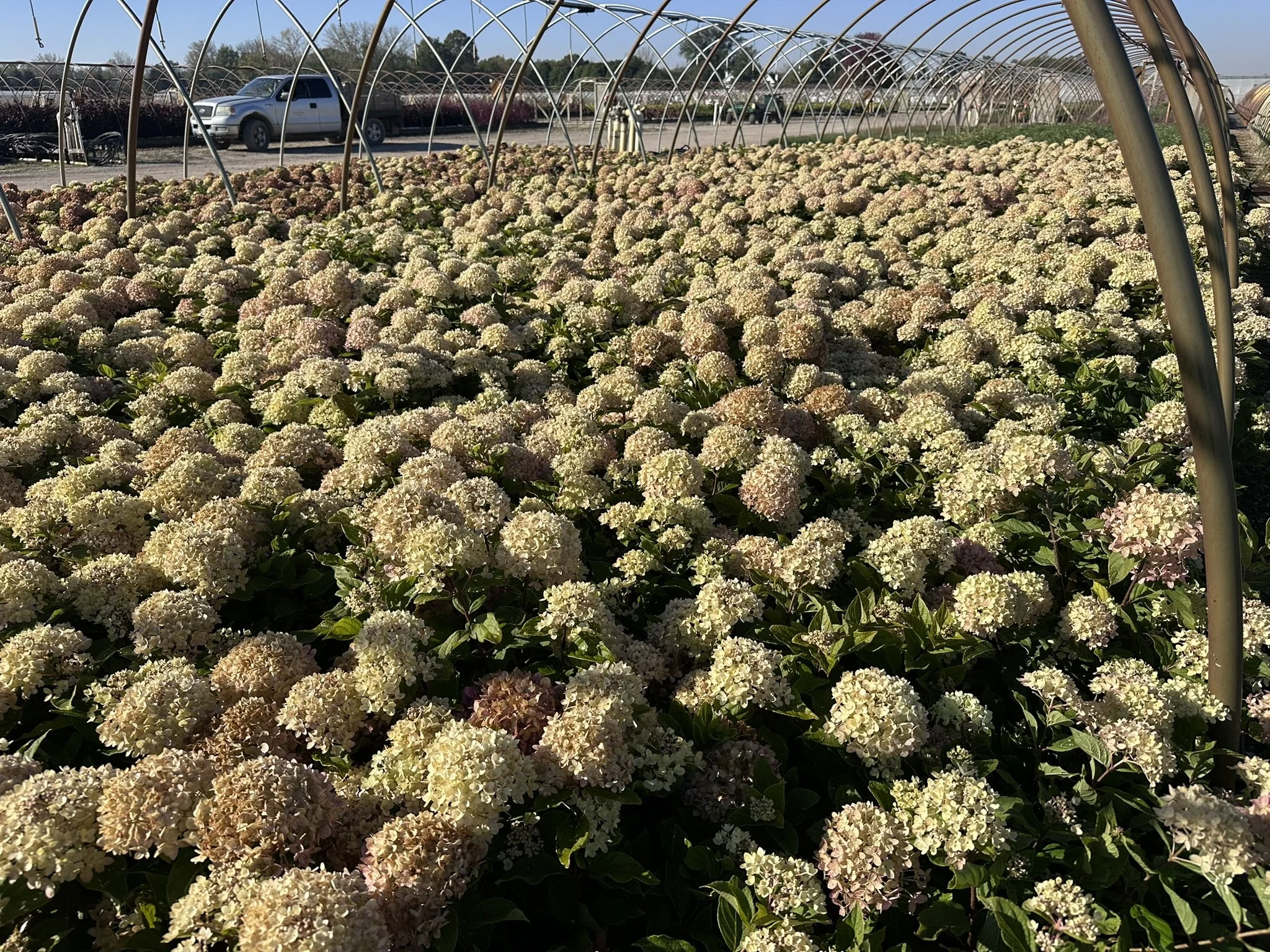
This compact Hydrangea is covered in lacecap flowers all season long. Blooms are electric blue or bright pink depending on soil pH and attract birds, bees, and other pollinators.
A tree form hydrangea with dense panicles of flowers. Thrives in urban environments. Great for container plantings and cut flowers. Prune in late winter to early spring.
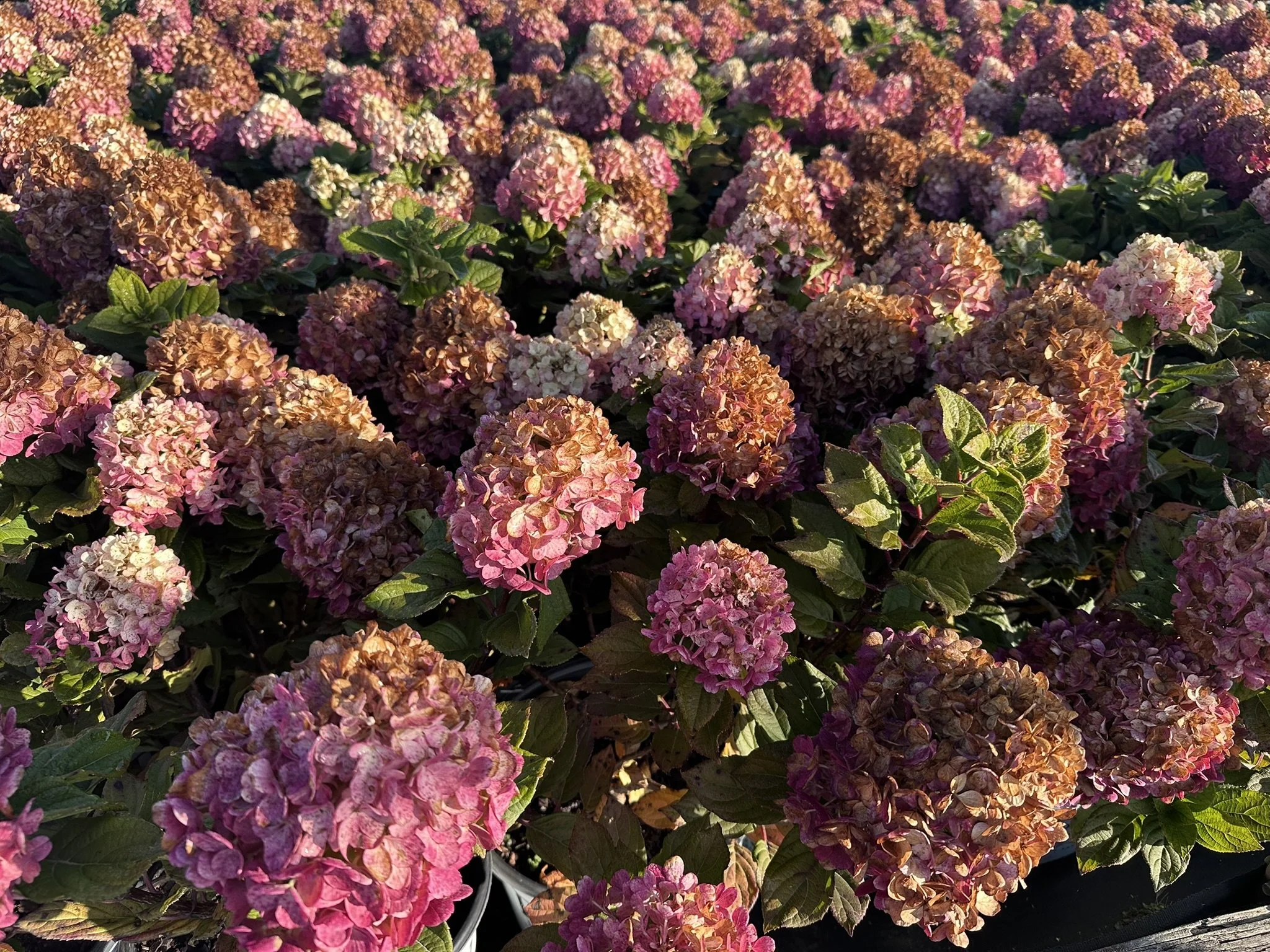
A dwarf version of 'Limelight' with large mophead flowers and an upright, rounded habit. Flowers emerge light green and mature to pink and burgundy in the fall. Good for containers.
Dwarf form of Quick Fire® that fits well into containers and small landscapes. Blooms about a month earlier than other hydrangeas on new wood. White flowers age to pink-red.
Noted for unique, especially large conical flowers that can be 12" to 16" long! Flowers open white; as they age, the florets at the base turn pink, creating a two-toned effect.
Super early bloom time and rock-solid reliability just like the original Quick Fire, but big, showy mophead blooms are added to the mix. Unique x-shaped flowers go from white to blush pink, then bright pink and then red from the bottom up.
Fast-growing and reliable reblooming hydrangea with large mophead flowers that range from pink in alkaline soils to rich violet-purple in acidic soils and age to mauve. A cross between H. macrophylla and H. serrata
Fast-growing and reliable reblooming hydrangea with large mophead flowers that range from pink in alkaline soils to rich violet-purple in acidic soils and age to mauve. A cross between H. macrophylla and H. serrata.
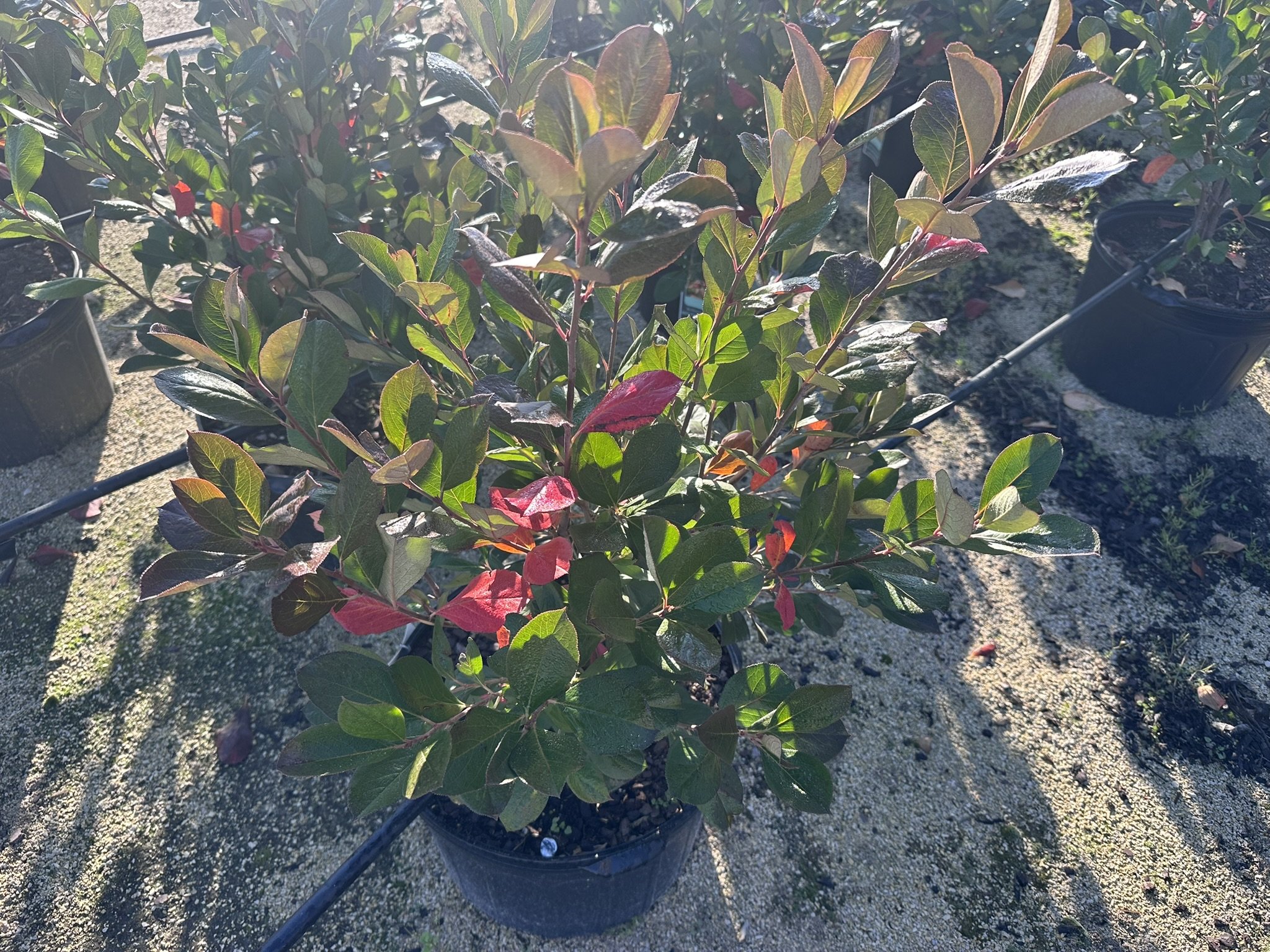
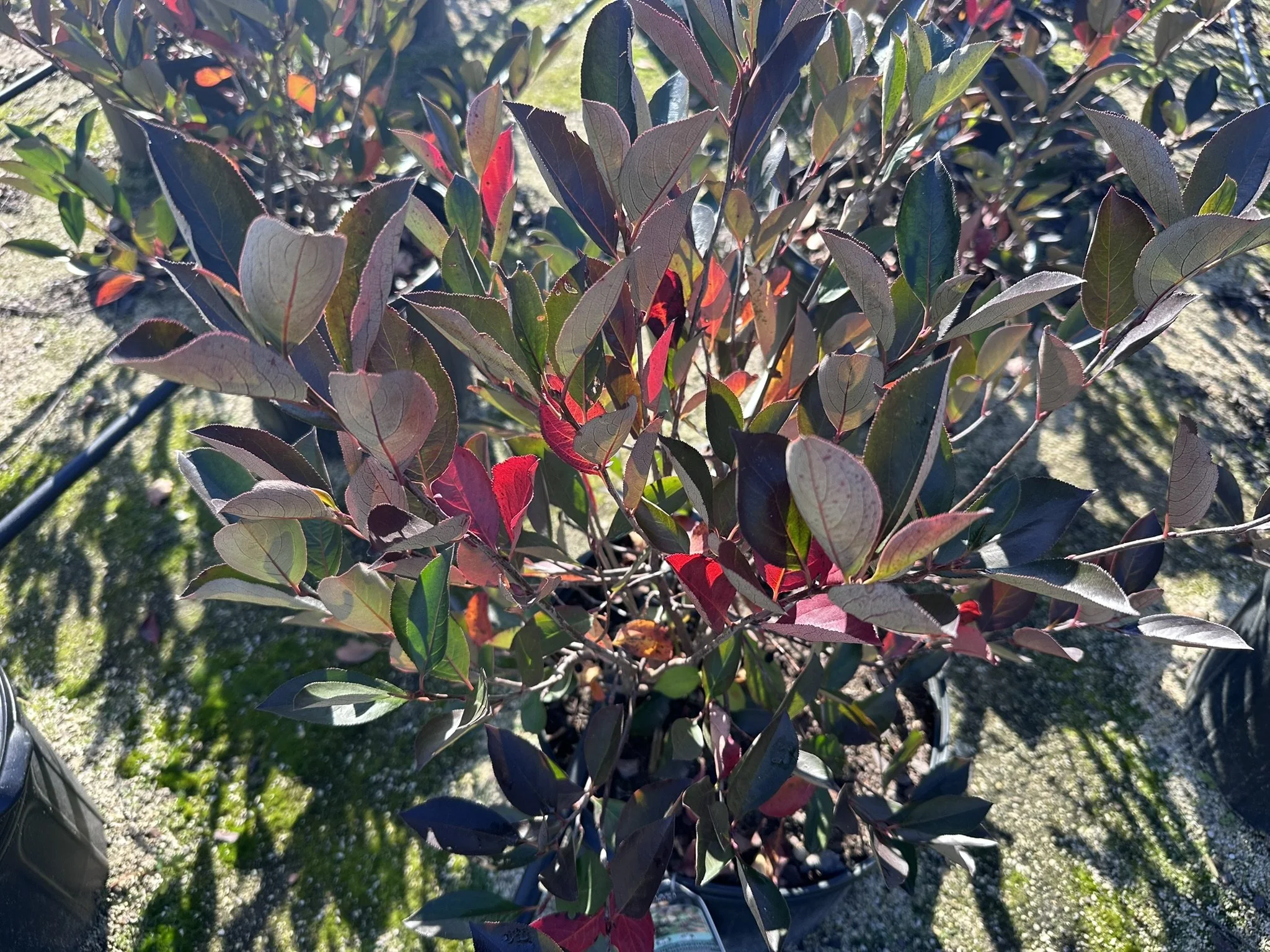
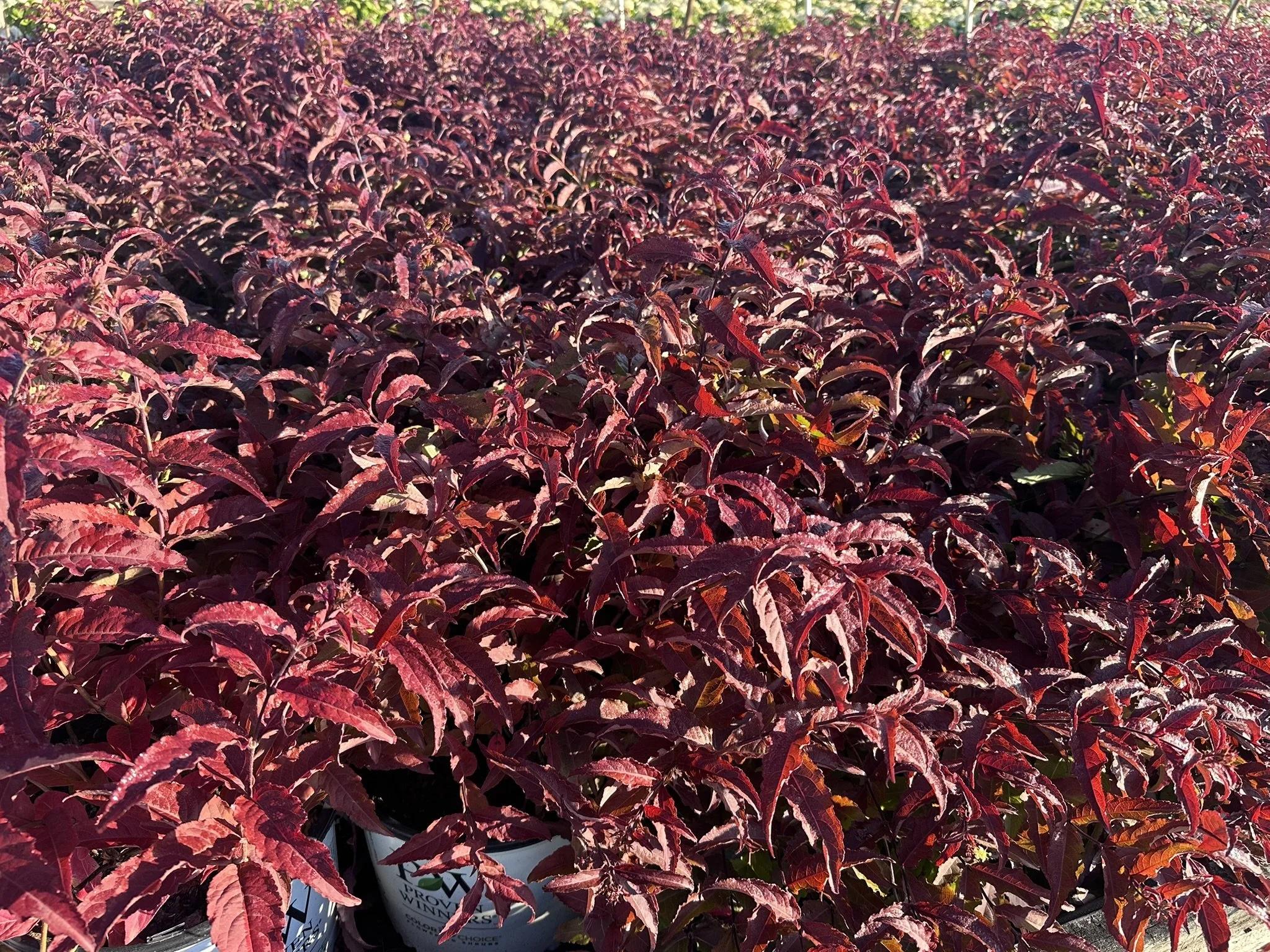
Adds color to the landscape from spring to fall; new foliage is red-orange, maturing to burgundy. Clusters of pinkish white flowers in late spring. Best color and flowering occurs in full sun. Natural graceful, arching habit; best left unpruned.
Summer Wine® Black has the darkest, most dramatic foliage yet. Spring brings white flower clusters to contrast with the nearly-black foliage.
Numerous apricot blooms cover this compact mounded shrub rose. Dark glossy green foliage. Recurrent double blooms promise color throughout the season.
A bright pink version of the Double Knock Out® Rose; self-cleaning pink double flowers bloom from spring to the first frost. Superior drought tolerance once established.
Slightly tighter and more compact than Knock Out® with cherry red flowers that bloom continuously from May through September. Disease-resistant and very easy to maintain.
More compact and rounded than the species, 'Sem' features coppery pink new foliage that changes to chartreuse. White flower plumes bloom in summer. Attractive fall color.
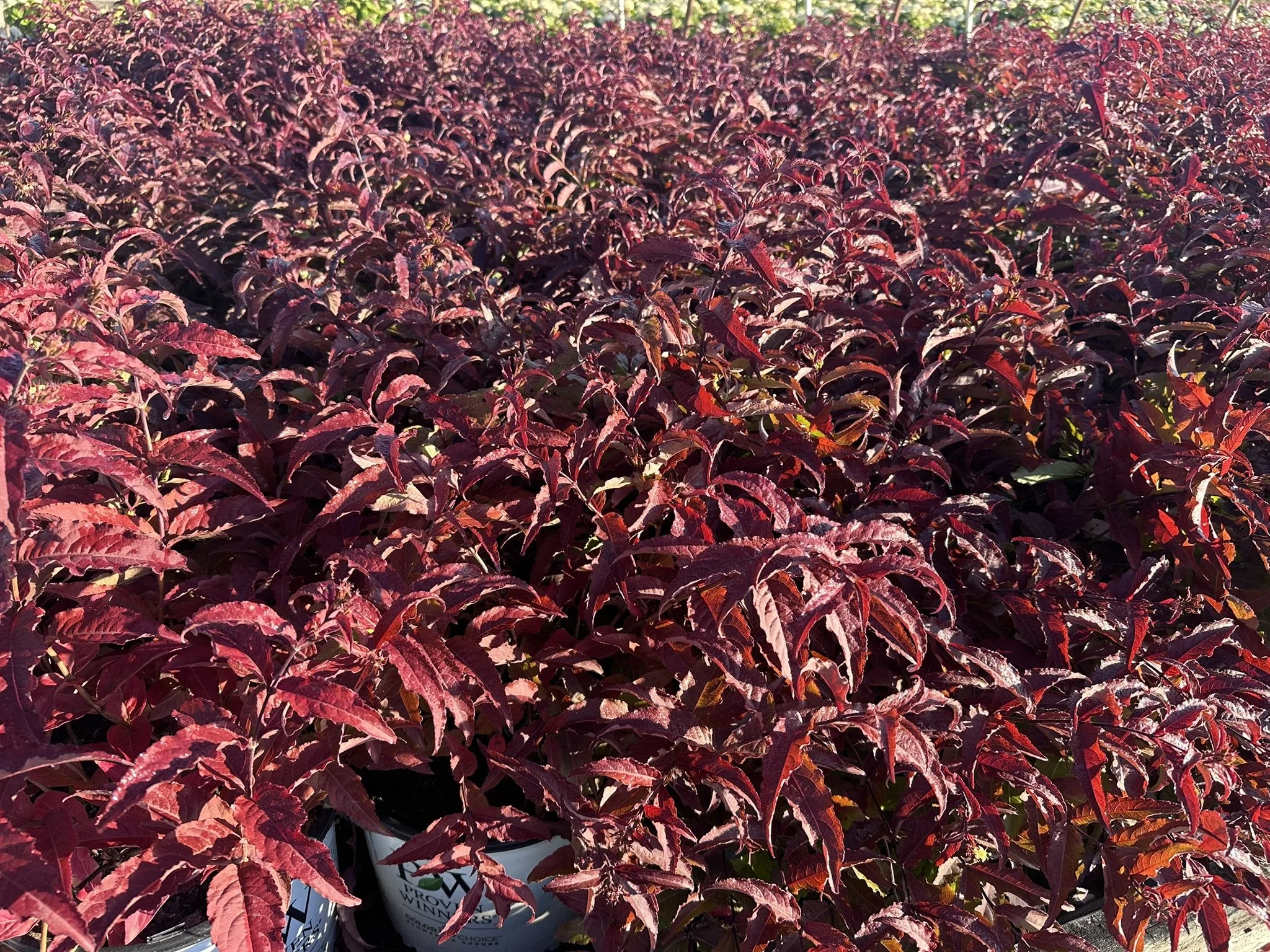
New foliage emerges orange-red and ages to bright yellow. Color combination of purple flowers atop clean, yellow foliage is unique for a Spirea. Compact habit makes it ideal for containers or tight areas.
Low and mounded shrub with lavender-pink flowers in May and June. Maintains golden foliage color throughout the growing season with no foliage burn. Good fall color.
A compact variety with orange new growth. Foliage maintains its yellow color all season and takes on pink tones in fall. Flowers will rebloom in late summer if lightly sheared.
Compact and spreading with small terminal clusters of deep pinkish flowers. A smaller, more vibrant variatiion of 'Goldflame'. Tips of new growth is red and present over mature light green foliage. Fall foliage is rich burgundy.
Petite variety with a naturally compact, rounded form that doesn't require any pruning. Pink flowers bloom in early summer and complement the attractive yellow foliage. Foliage turns red in fall.
New foliage is red and matures to deep green, before turning showy bronze in fall. Pink flowers bloom in June and will rebloom in late summer if pruned. Naturally compact form.
Selected for its compact growth habit. Showy, orange-red fruits begin to ripen in July and are effective for about four weeks before ripening to black. Well-suited for dry, full sun situations.
If you’re all about the details, you’re going to love Bubbly Wine™ weigela. There is just so much colorful detail packed into each leaf. Its bright yellow and green variegation make the perfect statement for the front of the border as edging or as a low hedge. A sprinkle of pale orchid blooms arrives in the late spring complementing the burgundy stems, drawing our eyes to them.
Green and golden variegated foliage is very showy, and takes on tones of pink in cool temperatures of spring and late summer. Dense clusters of pink flowers bloom in late spring and early summer. Urban tolerant.
A Fresh Season of Ordering
Begins — Discover What’s NEw
Take the tour
Current Availability
Browse plants that are available right now and ready to ship.
Use this section to place orders for immediate delivery based on what’s currently in stock.
Explore all plants that will be available throughout the year. You can place orders for these items at any time.
After adding items to your cart, select the shopping cart icon in the upper right corner. Your order will automatically be organized by availability date. From there, you can:
Add a PO number (if needed)
Update the ship date
Adjust the delivery address
Full Availability
Use the Catalog for viewing plant details and photos.
This section does not include pricing and does not support ordering, making it an easy tool to share information with customers when needed.
Catalog
you’ll continue using the same online ordering platform as last year. Simply select the Prebook Customers button to access it. From there, you can order from your prebook or add items from our Current Availability as needed.


A sport of 'Millenium', 'Serendipity' shares the rosy purple flowers of its parent plant but is distinguished by blue foliage. Profuse flowers are produced in mid- to late-summer and are bee and butterfly magnets.